November 18, 2026
Maintaining a residential plumbing infrastructure requires continuous structural vigilance, responsible water disposal habits, and periodic diagnostic intervention deep below ground level. While homeowners dedicate significant attention to visible bathroom fixtures, sparkling kitchen faucets, and pristine tile surrounds, the underground drainage conduits carrying wastewater away from living quarters operate completely out of sight. Because main sewer laterals remain buried beneath manicured lawn turf, concrete driveways, and foundation slabs, property owners easily assume that functional drainage equates to flawless subterranean pipeline health. However, modern municipal wastewater lines and private building laterals endure relentless mechanical stress, corrosive chemical contact, and subterranean soil movements throughout every passing season. Over prolonged operational cycles, microscopic grease deposits, toilet paper silt, and invasive tree roots gradually constrict pipe diameters, transforming smooth drainage corridors into turbulent flow bottlenecks. According to This Old House, an older house's sewer line should be inspected at least once every 10 years. This critical maintenance timeline highlights why waiting for sewage to bubble backward into basement floor drains represents an expensive, hazardous gamble with property health. Contracting for specialized drain maintenance and diagnostic video inspections allows property owners to detect developing pipeline fractures, eradicate stubborn organic blockages, and preserve sanitary safety before catastrophic backups occur. Understanding the vital engineering behind subterranean pipeline diagnostics empowers homeowners to make informed plumbing maintenance decisions. Proactive underground drainage maintenance preserves household capital and eliminates biohazardous risks.
Diagnosing Subterranean Pipeline Flaws With High-Definition Video Cameras
The primary advancement transforming modern drain diagnostics is the deployment of specialized, waterproof fiber-optic sewer cameras mounted on flexible push rods. In past decades, identifying the exact location of a subterranean line break demanded destructive, expensive trench excavation across front lawns and finished concrete walkways based largely on guesswork. Today, certified drainage technicians insert high-resolution digital cameras directly through plumbing cleanout access points, sending real-time video footage back to high-contrast field monitors. Sourcing professional sewer cleaning combined with camera diagnostics allows specialists to navigate the full length of the lateral, recording pipeline interiors from the building foundation to the municipal main connection. Technicians identify hidden structural flaws—such as pipe belly dips where standing water collects, offset pipe joints caused by soil settlement, and hairline fractures from ground settling—with millimeter precision. Furthermore, integrated radio transmitter sondes embedded inside camera heads transmit electromagnetic signals to surface locating wands, mapping the exact underground depth and geographic position of pipeline defects.
Clearing Invasive Tree Root Infiltration and Restoring Hydraulic Capacity
Among the most destructive natural forces threatening subterranean drainage systems is the relentless intrusion of thirsty tree and shrub root structures. Mature trees planted across front lawns continuously seek subterranean moisture sources, sensing warm vapor and nutrient-rich organic waste escaping through tiny pipe joints and porous clay connections. Once microscopic hair roots penetrate loose joints, they expand rapidly inside the nutrient-rich sewer line, forming dense, fibrous root blankets that catch toilet paper and cooking grease. Scheduling comprehensive sewer cleaning equips plumbing professionals with specialized mechanical augers, rotating chain knockers, and high-velocity water jetting nozzles designed to shear tough root masses cleanly against pipe walls. Powerful mechanical root cutters slice through thick woody intrusions without fracturing surrounding pipe walls, restoring original hydraulic flow diameter. Eradicating tree root blockages early restores unrestricted wastewater velocity, eliminates persistent gurgling plumbing sounds, and protects delicate subterranean pipes from severe structural damage.
Preventing Biohazardous Wastewater Backups and Protecting Indoor Air Quality
The most traumatic and destructive plumbing failure a homeowner can experience is a sudden, raw sewage backup flooding into basement living suites or ground-floor bathrooms. When main sewer laterals suffer total flow obstruction, all domestic wastewater discharged from upstairs showers, washing machines, and flushing toilets has nowhere to escape, backing up through the lowest plumbing fixtures in the home. Engaging dependable sewer cleaning prevents catastrophic domestic overflows by dissolving accumulated fats, oils, and grease before they solidify into impenetrable blockages. Raw sewage flooding represents an acute biological hazard, carrying dangerous pathogenic microorganisms, coliform bacteria, viruses, and parasites that contaminate porous flooring, drywall, and family furnishings within moments. Furthermore, blocked sewer laterals trap noxious sewer gases—including methane, hydrogen sulfide, and ammonia—forcing foul, toxic odors through dried plumbing traps into indoor family breathing zones.
Scouring Mineral Scaling and Eliminating Hardened Grease Deposits
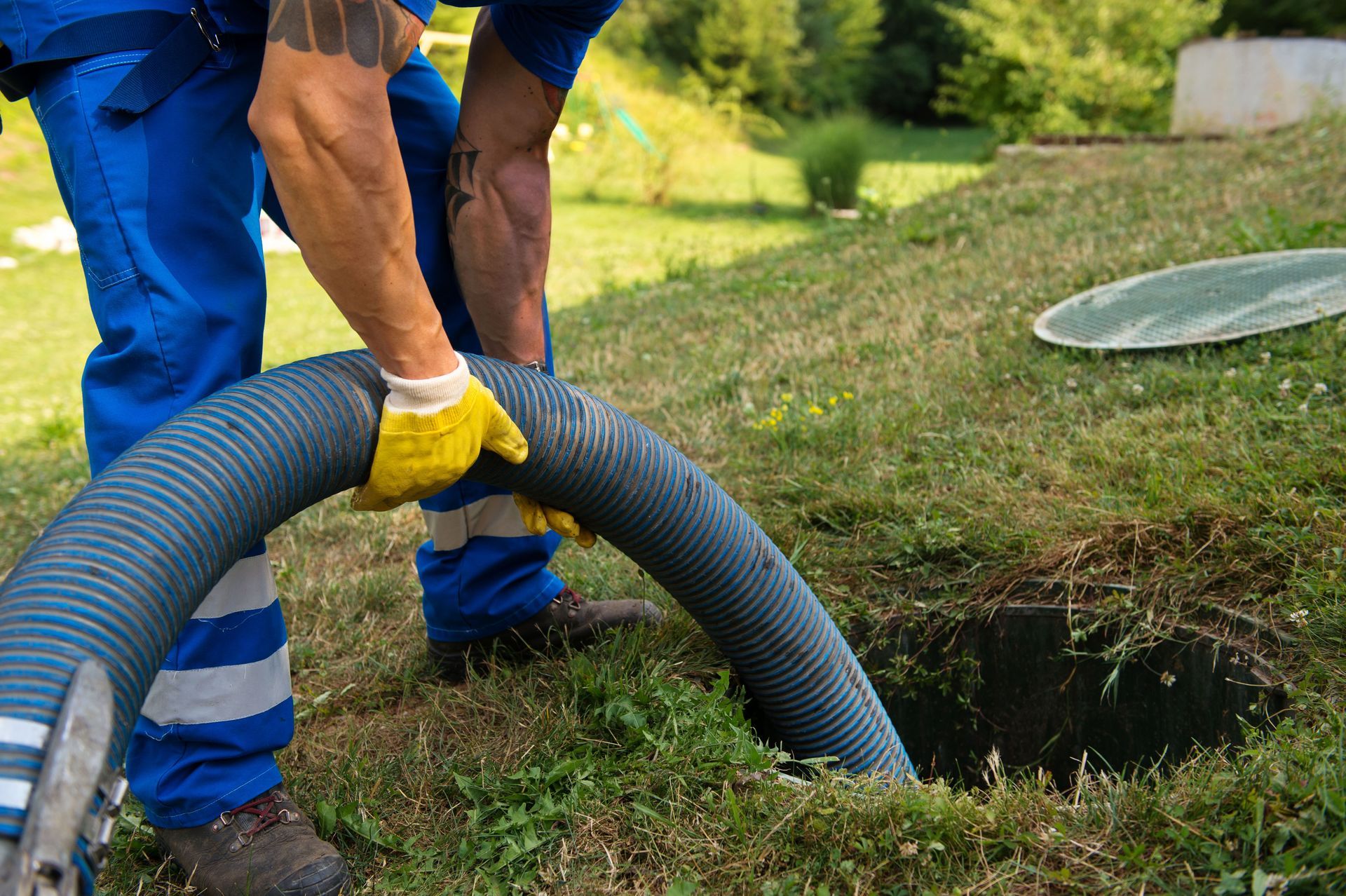
Over years of active domestic service, the interior walls of cast iron, clay, and plastic sewer conduits develop thick, calcified encrustations and sticky grease linings. Discharged cooking oils, dishwashing soap scums, and hard mineral deposits bind together along pipe perimeters, creating rough, snag-prone surfaces that catch passing solid debris. Contracting for professional sewer cleaning utilizing commercial hydro-jetting equipment delivers the most thorough, restorative scouring possible for scaled drainage conduits. Hydro-jetters propel pressurized streams of water through specialized reverse-facing nozzles, slicing through hardened grease blockages and peeling stubborn mineral scale away from interior pipe walls. Unlike standard plumbing snakes that merely punch narrow puncture holes through soft clogs, high-pressure water jetting scrubs pipe circumferences completely clean, flushing all accumulated debris outward into municipal collector mains. Furthermore, scouring interior pipe walls smooths out rough surfaces, discouraging future grease adhesion and restoring optimal drainage flow velocity throughout the entire plumbing network.
Preserving Aging Infrastructure and Deferring Costly Excavations
Residential properties built across past decades frequently feature legacy sewer piping materials, such as brittle vitrified clay tiles, porous cast iron, or fragile bituminous fiber pipes. These vintage materials are prone to interior rusting, flaking channel beds, chemical erosion from corrosive household cleaning products, and perimeter wall thinning. Enlisting specialized sewer cleaning and diagnostic video inspections allows property owners to monitor the structural condition of their aging pipes over successive calendar seasons. By tracking interior flaking, joint erosion, and pipe wall thinning, technicians can recommend non-invasive preventative care, such as epoxy brush coating or cured-in-place pipe relining, long before structural collapse occurs. Furthermore, regular diagnostic oversight prevents sudden, catastrophic line collapses that require tearing up paved driveways, stone patios, or mature landscaping for emergency open-trench replacement. Proactive pipeline preservation protects valuable residential assets, extends the functional service lifespan of vintage drainage infrastructure, and spares homeowners the massive financial burden of full yard excavations.
Partnering With Licensed Master Plumbers for Comprehensive Protection
Maintaining complex subterranean plumbing systems requires specialized technical training, heavy diagnostic equipment, and strict adherence to municipal plumbing codes and safety statutes. Attempting amateur drain cleaning using caustic chemical drain openers purchased at retail hardware stores frequently causes severe chemical burns, emits toxic fumes, and actively eats away at aging cast iron pipe walls, accelerating pipe failure. Establishing an ongoing partnership for professional sewer cleaning connects property owners with licensed master plumbers who utilize commercial-grade, safety-tested equipment designed for specific pipe materials and configurations. Certified technicians interpret video inspection footage accurately, identifying subtle signs of pipe degradation that uncertified laborers miss. Furthermore, reputable plumbing contractors maintain comprehensive service records, documenting your sewer line's exact footage, pipe material transitions, cleanout locations, and previous repair spots for future reference. Master plumbers also offer sound technical counsel regarding proper disposal practices, advising against flushing synthetic wipes, feminine hygiene products, and fibrous food scraps down drains.
At Palyo Plumbing LLC, our dedicated team brings deep diagnostic expertise, state-of-the-art fiber-optic cameras, and high-pressure water jetting technology to every residential and commercial project we guide, ensuring your sewer lines achieve optimal hydraulic flow, unyielding structural durability, and lasting sanitary safety across every season. Contact us today or visit our local office to schedule your comprehensive sewer inspection and discover the lasting benefits of working with trusted plumbing professionals.